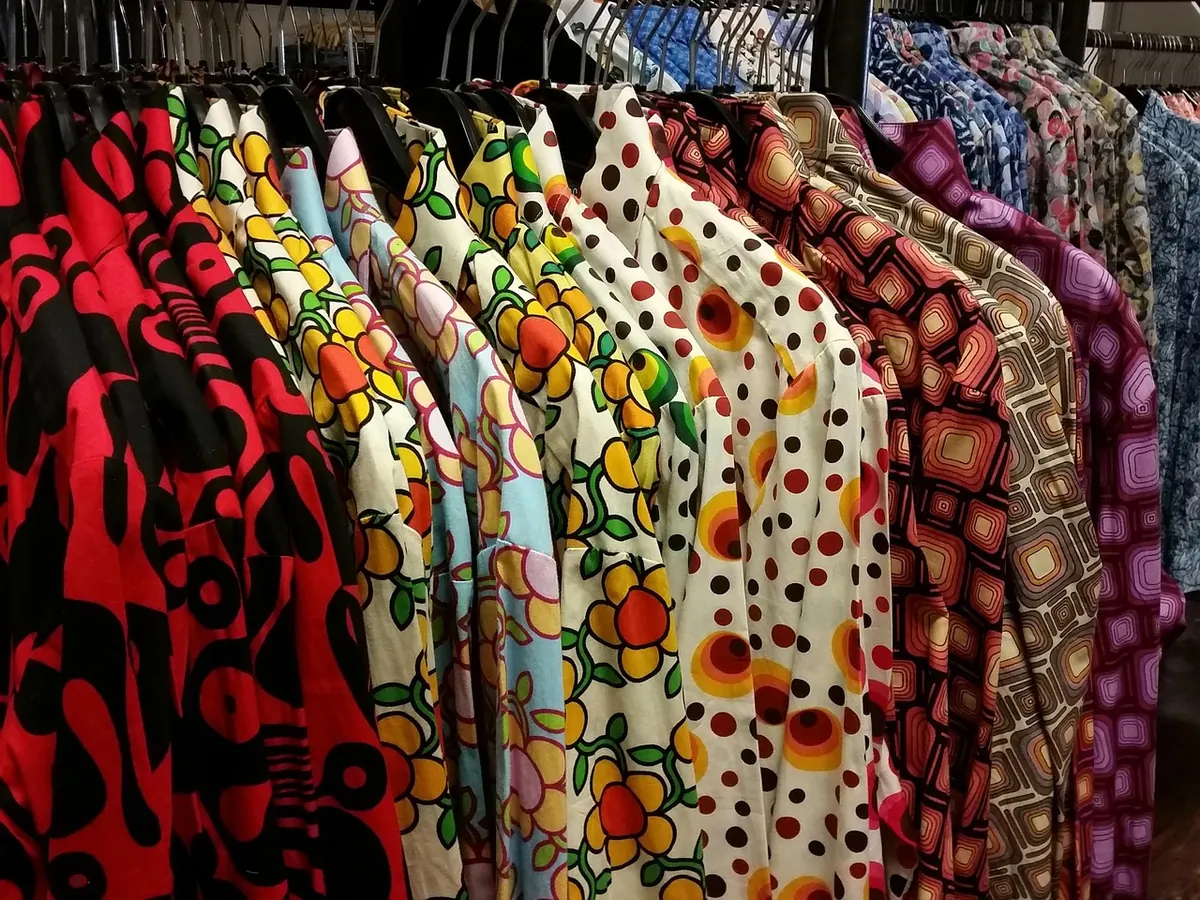
Walk through a city centre on a Saturday and the evidence is hard to miss. Thrift racks are picked over by noon, sneaker resale shops sit beside flagship stores, and plenty of teenagers will tell you they haven't paid full price for a dress in two years. Secondhand is no longer the compromise shoppers make when money is tight. It is a preference, often a first choice.
That shift changes the math for anyone selling things. Resale used to be a corner of the market that established retailers could politely ignore. It now competes for the same wallet, the same closet space, and the same customer attention — sometimes using your own products as the merchandise. What follows is a look at what is genuinely driving resale, what younger shoppers expect from it, and the practical ways a traditional retailer can get involved without building a marketplace from scratch.
What's Actually Driving the Boom
Two things changed at once: selling got easier, and buying got less embarrassing. Peer-to-peer platforms such as Depop, Vinted, Poshmark and Facebook Marketplace turned any phone into a storefront. A seller photographs a jacket, writes three lines, prints a prepaid label, and the item is gone by the weekend. Compare that with the old routine of hauling bags to a consignment shop and waiting weeks for a cheque.
On the demand side, the appeal is rarely one thing. Shoppers go secondhand for price, for pieces that are no longer produced, for sizes and colourways that sold out, and for the low-stakes thrill of a good find. Sustainability matters to many of them, but it tends to show up after value and uniqueness in the reasons they give, not before.
The category has also widened well past clothing. Furniture, kids' gear, outdoor equipment, phones, records and luxury handbags all have working resale ecosystems. Wherever an item is durable, identifiable and worth shipping, someone has built a market for it.
What Gen Z Wants From Secondhand
- Speed. Saved searches, alerts, and checkout in a few taps. If buying used takes longer than buying new, most of the advantage disappears.
- Honest condition details. Photos of the actual flaws, real measurements, and a grading scale that means something. Vague listings come back as returns.
- Protection. Buyer guarantees, a straightforward dispute process, and a return path when an item arrives wrong.
- Curation. Endless scroll is exhausting. Shops, weekly drops and hand-picked edits do the hard work for the shopper.
- The ability to sell, not just buy. Younger customers treat resale as a two-way street; the same person clearing out a wardrobe is browsing for a replacement.
- Evidence over slogans. They notice when a sustainability claim is backed by a take-back programme and when it is just a badge on a product page.
It helps to remember that Gen Z is not a single personality type. Those behaviours show up across younger millennials too, and they show up differently by category — a shopper hunting a rare sneaker behaves nothing like one replacing a stroller.
Resale Is a Strategy Question, Not a Side Project
Selling used goods at a lower price sounds like cannibalising your own sales. In practice, resale tends to do three useful things for a brand. It brings in customers who would not pay full price yet, it gives existing customers a reason to return between new-season drops, and it creates a home for trade-ins that can be credited toward full-price purchases.
There is a defensive argument too. Your products are already circulating secondhand. The question is whether that trade happens on your terms, with your authentication standards and your customer data, or on a third-party platform that owns the relationship instead. Add counterfeits to the mix and the case for some level of involvement gets stronger.
Four Routes Into the Market
- Partner with a resale platform. You supply inventory or accept customer trade-ins; the partner handles photography, listings, shipping and payouts. Lowest lift, least control.
- Launch a branded peer-to-peer marketplace. Highest upside, highest cost. Moderation, payments, fraud, shipping disputes and customer service all land on your team.
- Run a trade-in or take-back programme. The most common starting point: accept used items in store or by mail, issue credit toward new purchases, then resell, recycle or donate what you collect. Patagonia's Worn Wear and REI's Re/Supply are familiar examples of the model.
- Curate vintage and archival pieces in-house. A small, edited secondhand assortment — discontinued styles, deadstock, one-off finds — can sit beside new merchandise and pull in a different kind of shopper.
The Operational Realities
Resale margins are thinner and messier than new-goods margins, and the details decide whether a programme works.
- Grading. Write a condition scale with photos and stick to it. "Good" has to mean the same thing to your team in every location.
- Pricing. Watch what items actually sell for, not what they are listed at, and move stale stock quickly. Inventory that sits costs money twice.
- Authentication. In categories where fakes are common, use trained authenticators or a specialist service, and say so publicly.
- Returns. Secondhand return policies need to be clearer than new-goods ones, not vaguer. Shoppers accept strict rules when the rules are stated up front.
- Cleanup and logistics. Cleaning, small repairs and shipping add cost per item. Build them into the price rather than discovering them later.
- Data. Which pieces hold value tells you what to make more of, what to repair, and what to stop producing.
It is worth being honest internally about the goal. Many resale programmes break even at best in year one and pay off through loyalty, traffic and customer acquisition. Judge them on those terms or not at all.
A Sensible Way to Start
Pick one category with durable, identifiable products and run a ninety-day pilot. Decide before you launch what success looks like: new customers acquired, full-price sales influenced, items kept out of landfill, or simply whether your team can handle the volume. Begin with trade-in credit rather than a full marketplace, keep the grading standard tight, and track the same few numbers every month. If the pilot works, widen the category. If it doesn't, you will have learned that for roughly the cost of one season's markdowns.
Photo: coachmetpassie / Pixabay